The Petroleum Coverage Gaps That Surface at Claim Time
Environmental, tank, and transport exposures rarely line up with a standard policy. A look at where fuel operators get caught short.
Miles Aduddell
Roark & Sutton
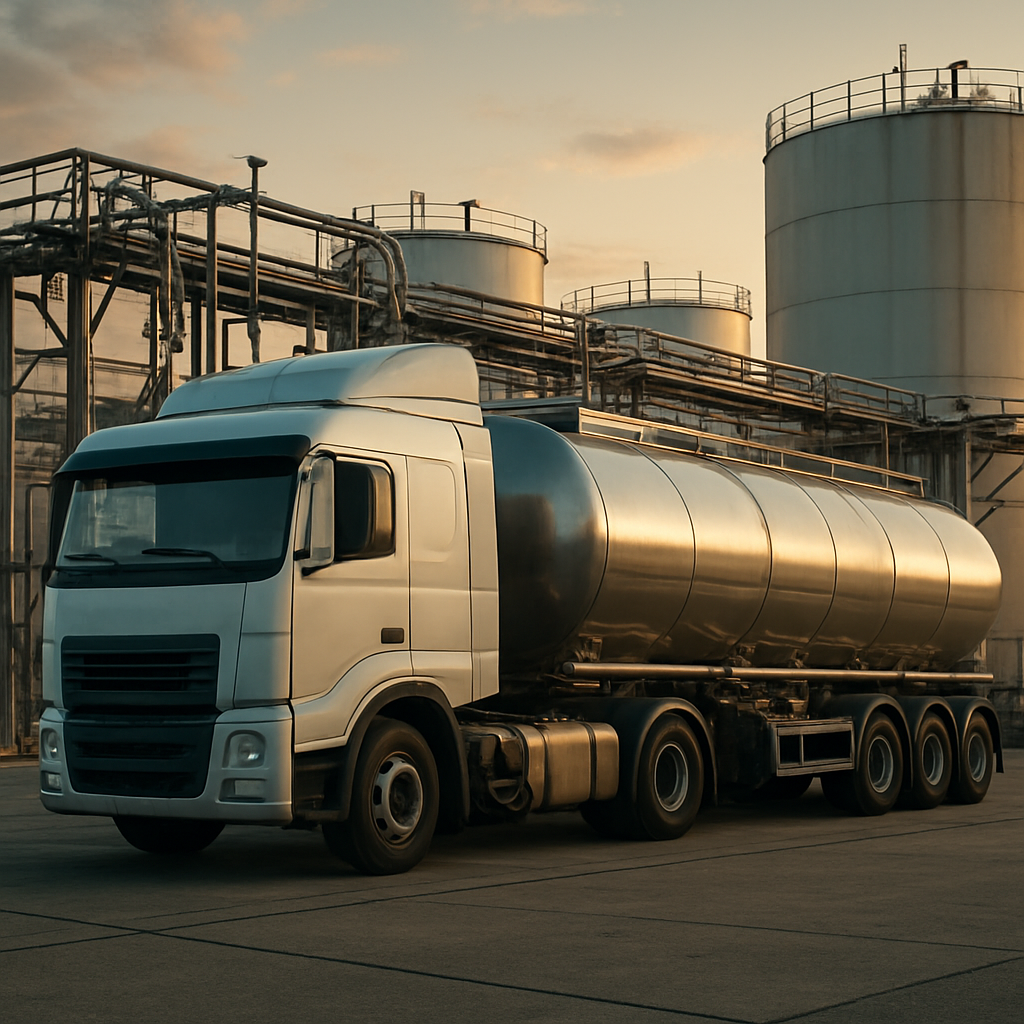
Fuel operators carry some of the most complex risk profiles in commercial insurance, and the gaps almost never show up until there is a claim. A standard package policy is built for a business that sits in one place. A petroleum marketer moves a hazardous, regulated product across state lines every single day.
The first gap is almost always environmental. General liability policies routinely exclude pollution, and a single tank overfill or transport spill can trigger cleanup costs that dwarf the property itself. Dedicated environmental coverage — written to match how you actually store and move product — is not optional in this industry.
The second gap hides in the line between auto and cargo. When a tanker rolls, the question of whether the product, the trailer, the cleanup, and the third-party damage are each covered can turn on a single endorsement. We see operators assume one policy picks up where another leaves off, only to find a seam in the middle that nobody owns.
Underground and aboveground storage tanks bring their own statutory requirements that vary by state — and an operator licensed across 25+ states has to satisfy the strictest one. A program built segment by segment, rather than bought as a bundle, is the only way to close these gaps before an adjuster finds them for you.
Want the next piece in your inbox?
We send these to high-risk operators before they go anywhere else.
Subscribe to the newsletter